
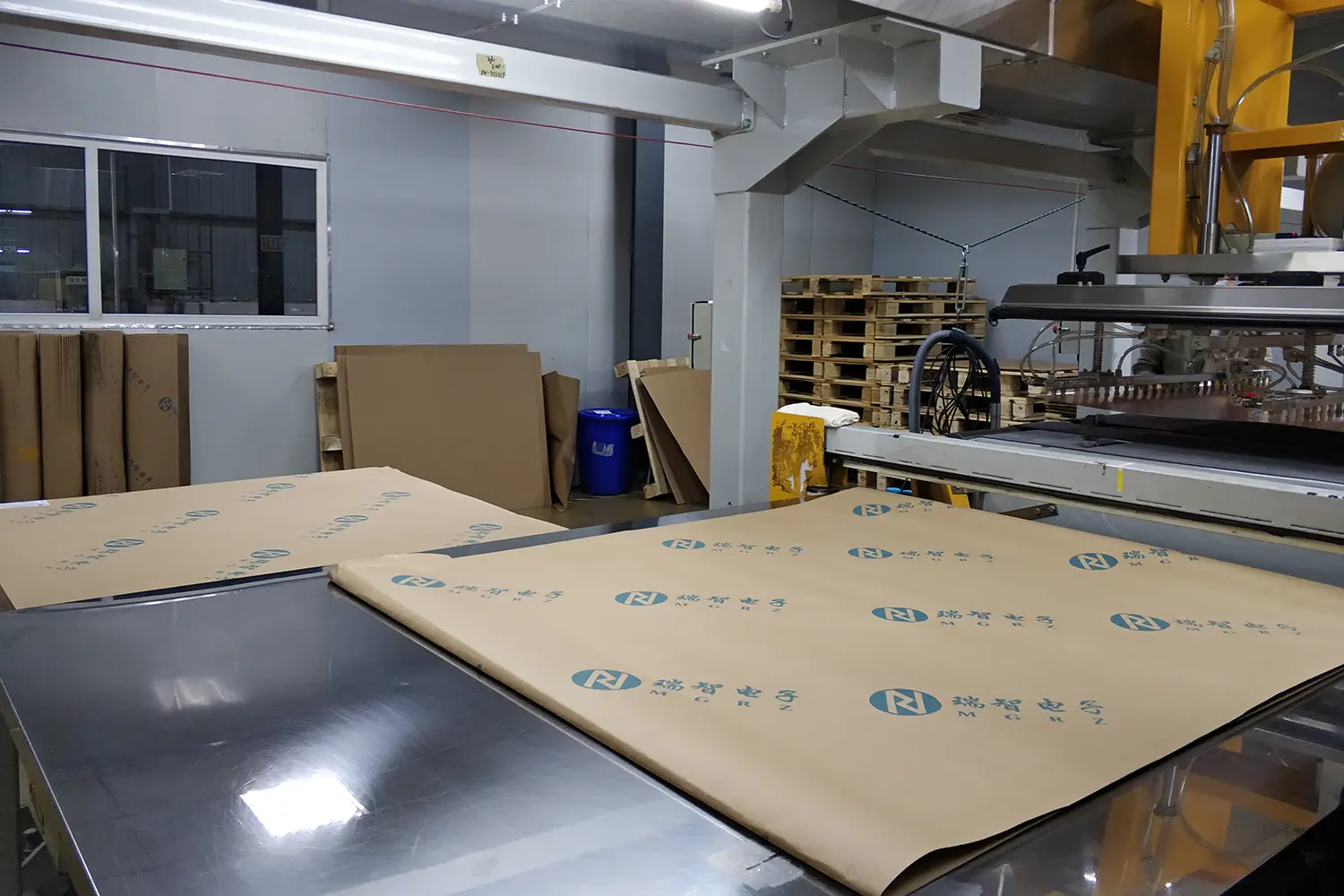
Introduction to Copper-Clad Laminates
Copper-clad laminate is a fundamental material utilized in the production of Printed Circuit Boards (PCBs), playing a crucial role as the core material in PCB manufacturing. This substrate material consists of a composite structure featuring a base material, copper foil, and adhesive. The manufacturing process involves soaking electronic glass fibers or other reinforcing materials in resin, followed by the application of copper on one or both sides of the substrate. This construction is vital not only for its physical properties but also for its extensive use across various electronic devices, including TVs, radios, computers, and mobile communication devices.
Key Uses of Copper-Clad Laminates
1.Electronic Communication Devices
Copper-clad laminates are extensively employed in the manufacturing of electronic communication devices such as cell phones, computers, and other communication and network equipment. Their application is critical in ensuring the performance and quality of these devices, with cell phones representing a significant area of use.
2.Computing Technology
The evolution of computer technology has broadened the use of copper-clad laminates, integrating them as an essential component of computer hardware. They are prevalent in various hardware parts, including power supply boards, motherboards, expansion cards, and memory modules.
3.Consumer Electronics
The rise in consumer electronics usage has similarly increased the demand for copper-clad laminates. They are now commonly found in smart devices like watches and home automation systems, aiding in the advancement of consumer technology.
4.Automotive Electronics
In the automotive sector, copper-clad laminates contribute significantly to the development of electronic components used in vehicles. These materials are integral to in-vehicle entertainment systems, navigation systems, and body control systems, pointing towards a growing trend in automotive electronics.
The Impact of PCB Copper Coating
1.Enhancing Conductivity
The copper coating on PCBs substantially improves their conductivity, ensuring reliable electrical connections between components. This high conductivity minimizes signal loss and resistance, crucial for maintaining circuit integrity.
2.Strengthening and Protecting Circuit Boards
Beyond improving conductivity, the copper coating enhances the mechanical strength and corrosion resistance of circuit boards. This protection is vital for shielding the boards from physical stress, wear, and environmental factors like oxidation, which can prolong the lifespan of the devices.
3.Reducing Electromagnetic Interference
The copper coating plays a significant role in mitigating electromagnetic interference, which is pivotal for the stable operation of high-frequency circuits. By forming a complete grounding or power layer, it effectively shields the circuits from external electromagnetic disturbances.
Copper-clad laminates serve as a backbone in PCB manufacturing, providing essential functions such as conductivity, insulation, support, and signal transmission. Their widespread application across various technological fields underscores their importance in today’s digitally-driven world. As technology evolves, the role of copper-clad laminates is likely to expand, further embedding their significance in the development and functionality of electronic devices.
